
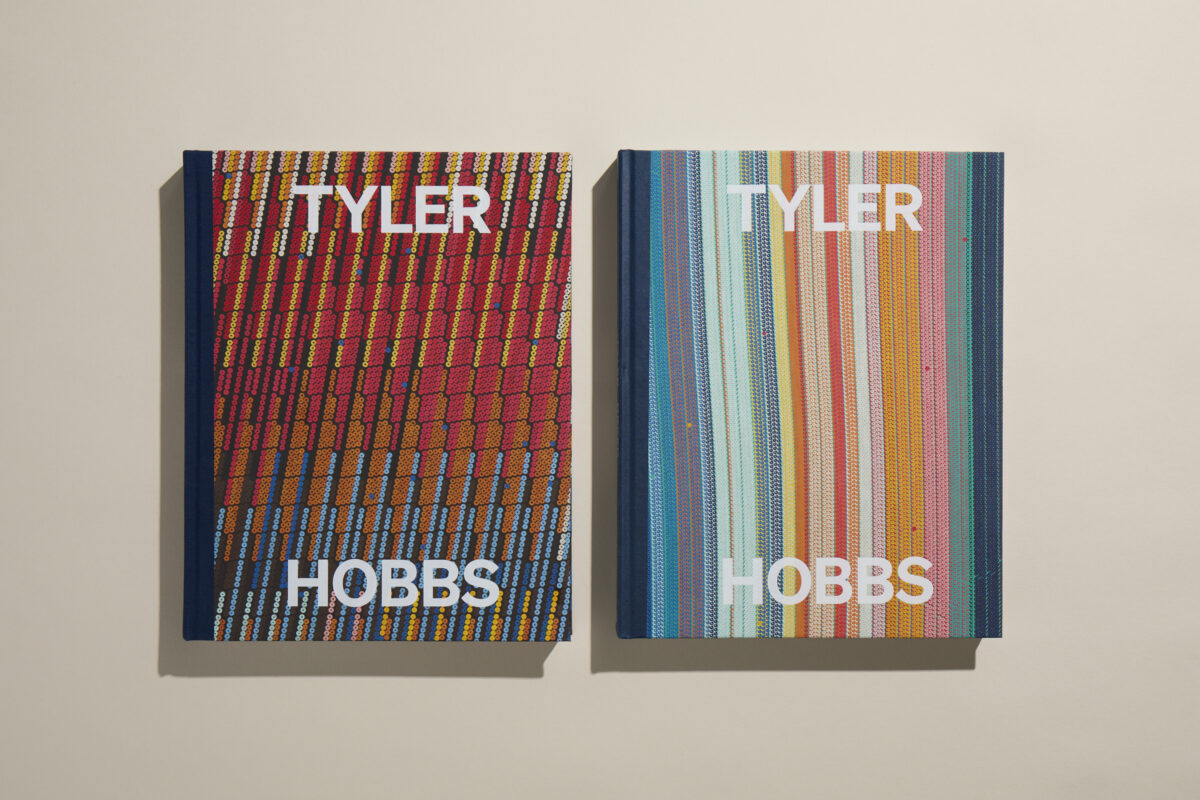
Generative art is created through systems designed by the artist, often using algorithms to produce artworks that may exist digitally, physically or as blockchain-based works. While the processes are computational, the artistic intention remains firmly human.
Generative art has developed a dedicated international following, spanning traditional art-world audiences – museums, galleries and private collectors – alongside crypto-native collectors who acquire artworks on-chain.
Hobbs is particularly known for his exploration of computational aesthetics and the relationship between human creativity, technology and the natural world. His celebrated Fidenza series, comprising 999 algorithmically generated works, has become one of the most recognised collections in the generative art movement.
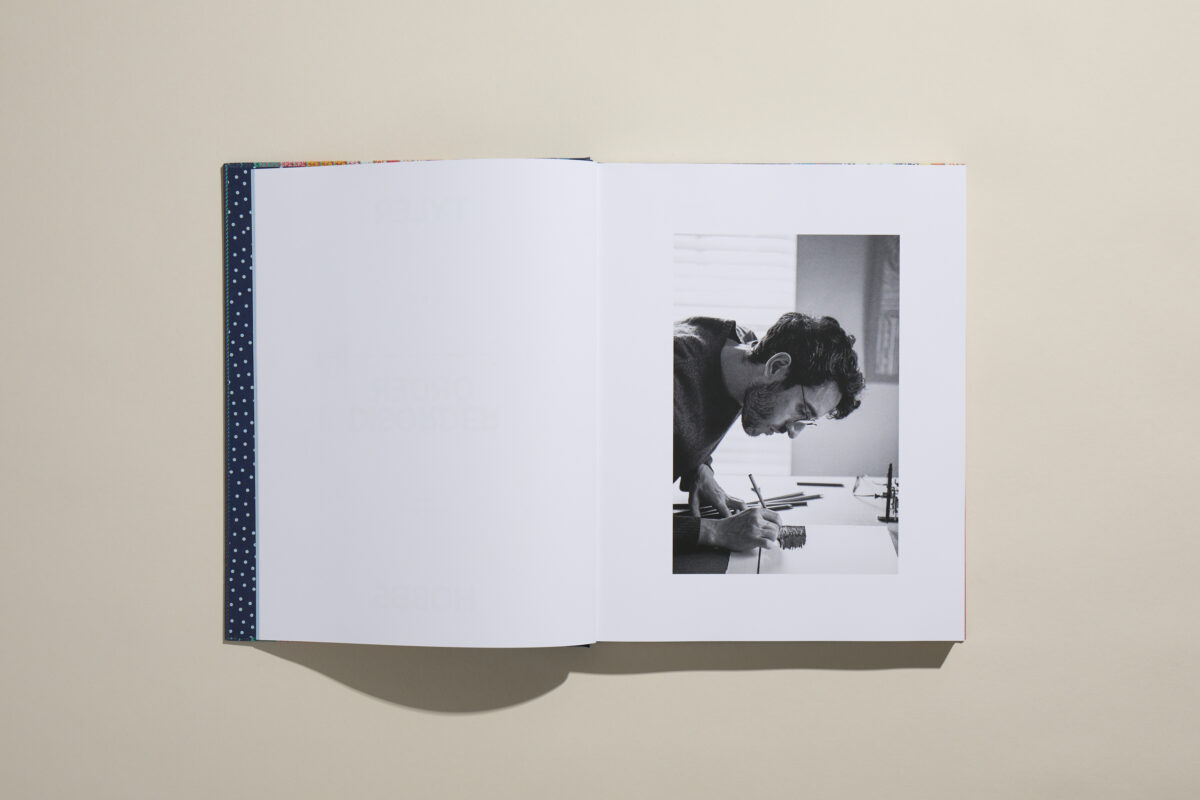
Despite working primarily with digital tools, books have played an important role in Hobbs’ artistic development. Creating a monograph offered an opportunity to bring together and contextualise his work, making it accessible to a wider audience through the physical and enduring medium of print.
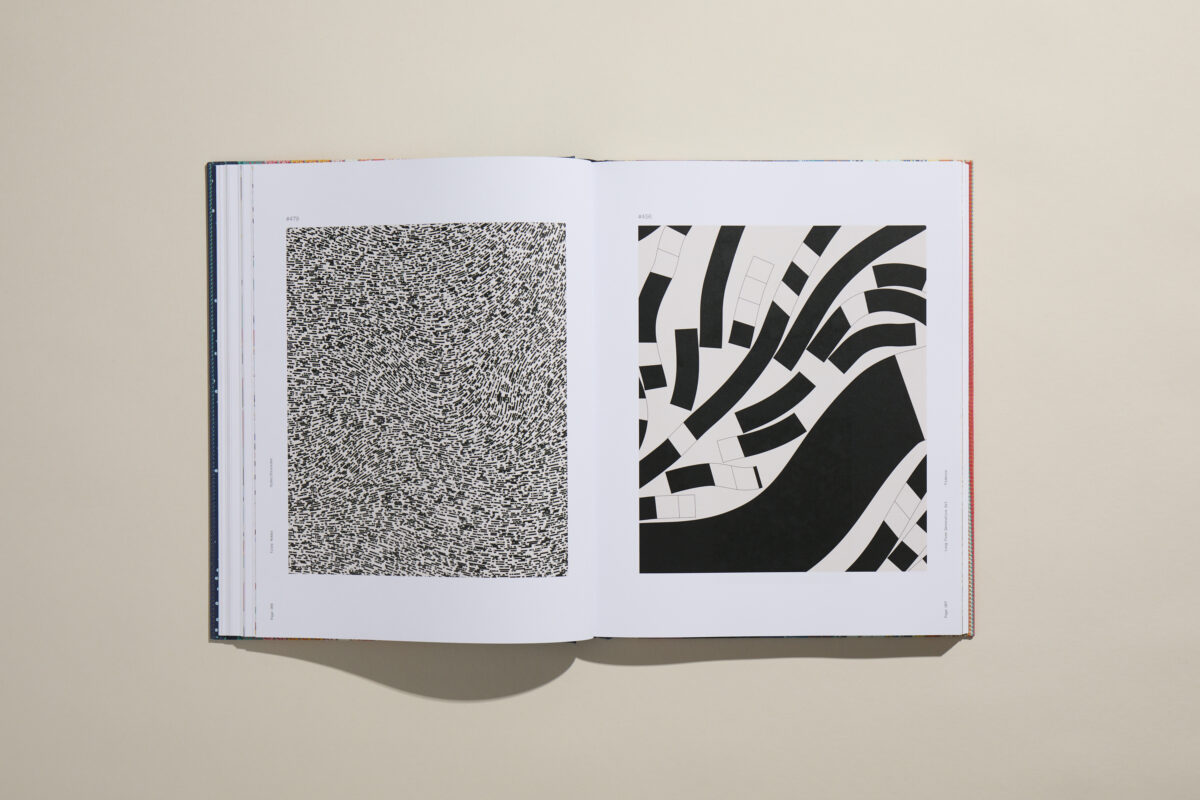
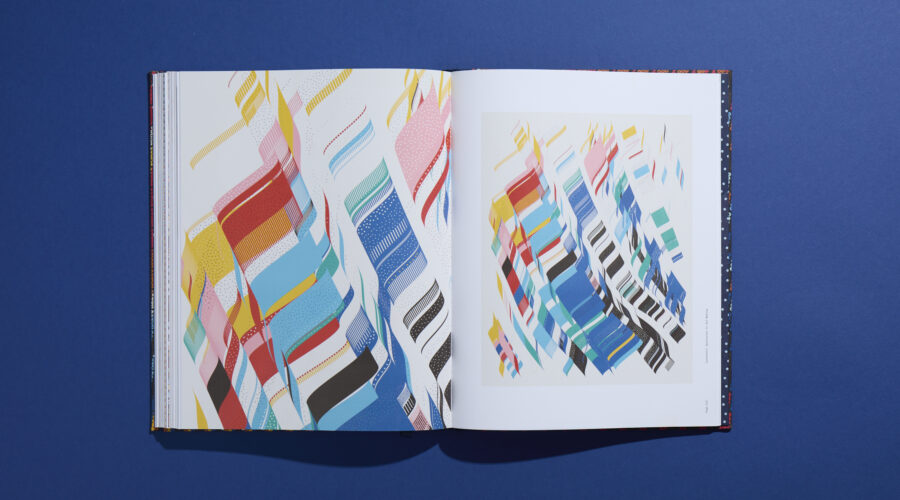
Order/Disorder presents works created between 2018 and 2023, including pieces from Hobbs’ solo exhibitions at Unit London and Pace Gallery, New York. Structured around the concept of dualities – order and disorder, control and emergence, human and machine – the book explores the relationship between artistic intention and computational processes.
Alongside extensive reproductions of Hobbs’ work, the publication includes an interview with Hans Ulrich Obrist, artistic director of the Serpentine Galleries, an essay by Melanie Lenz, curator of digital art at the Victoria & Albert Museum, and texts by the artist introducing each thematic section.
The project was realised as two distinct hardback editions, each offering a different experience of Hobbs’ work.
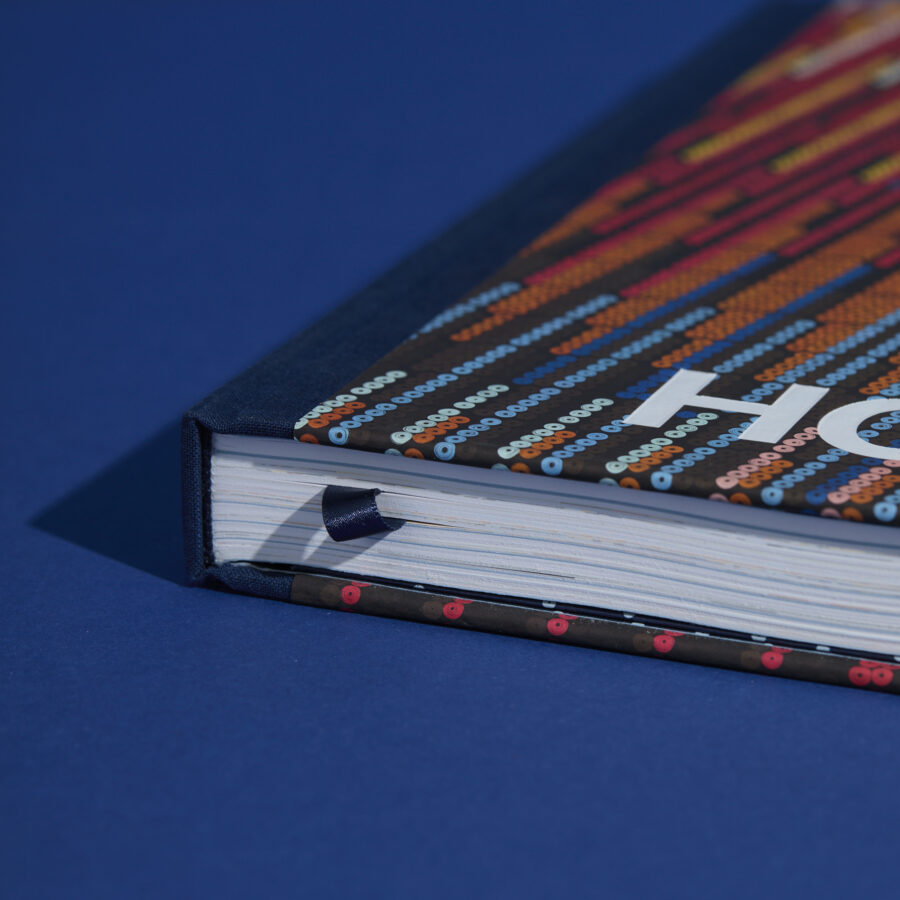
The Trade Edition, published by Hurtwood, is a 240-page hardback containing interviews, essays and high-quality reproductions of the artist’s work. Particular attention was paid to reprography and colour accuracy, ensuring that the intricate detail and distinctive visual qualities of the original artworks were faithfully reproduced in print.
Available internationally through bookshops and online retailers, this edition introduces Hobbs’ work to a broad readership, from established collectors to those discovering generative art for the first time.
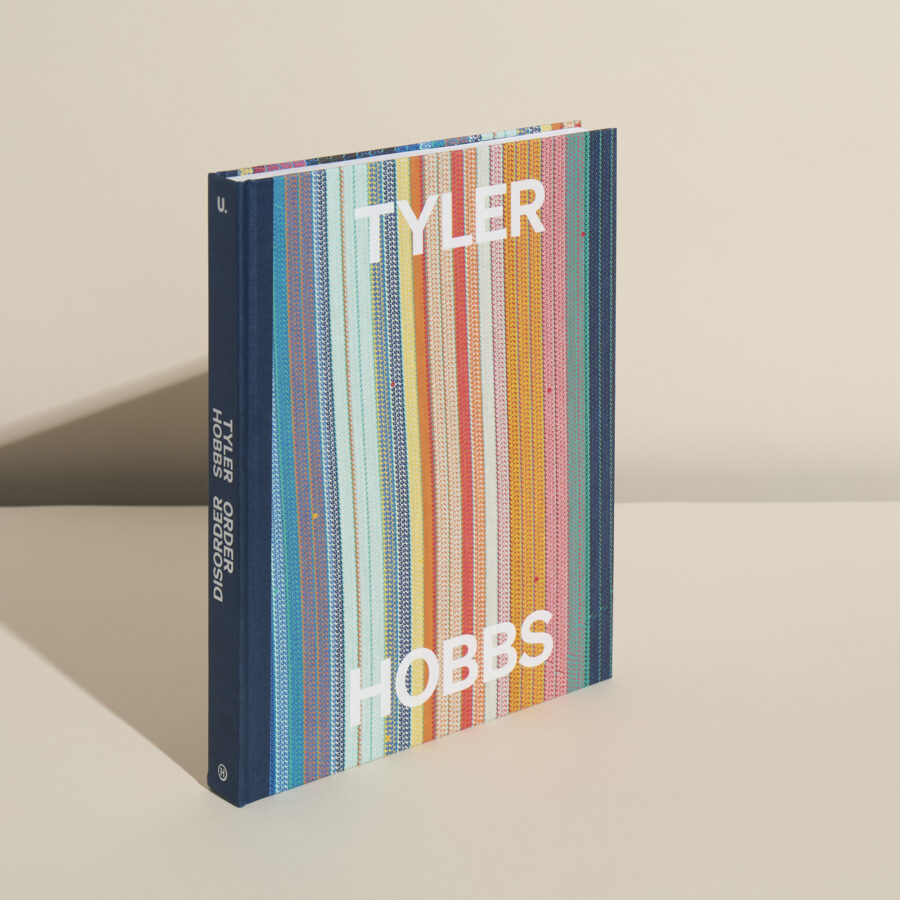
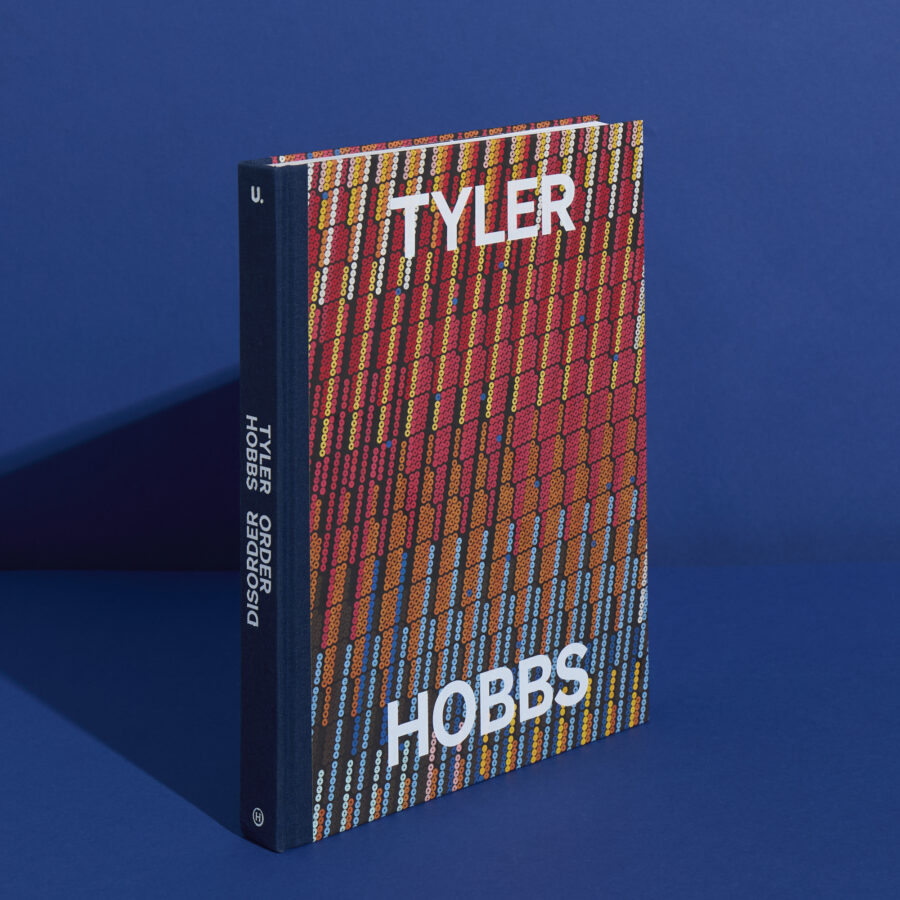
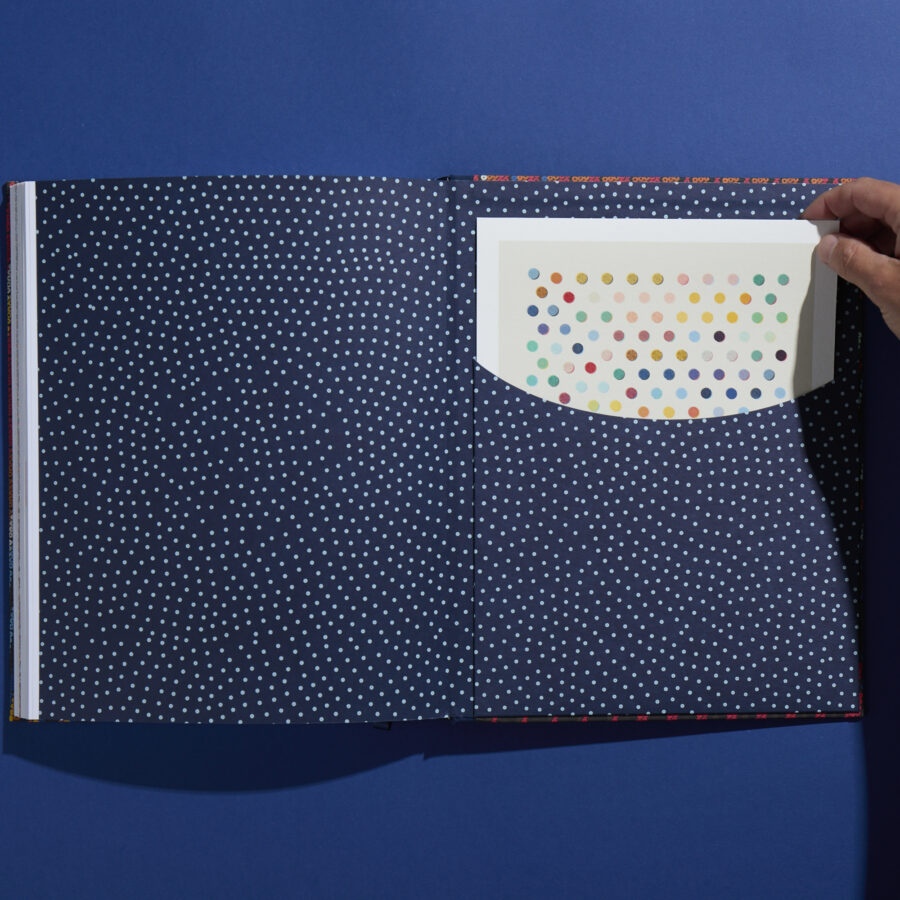
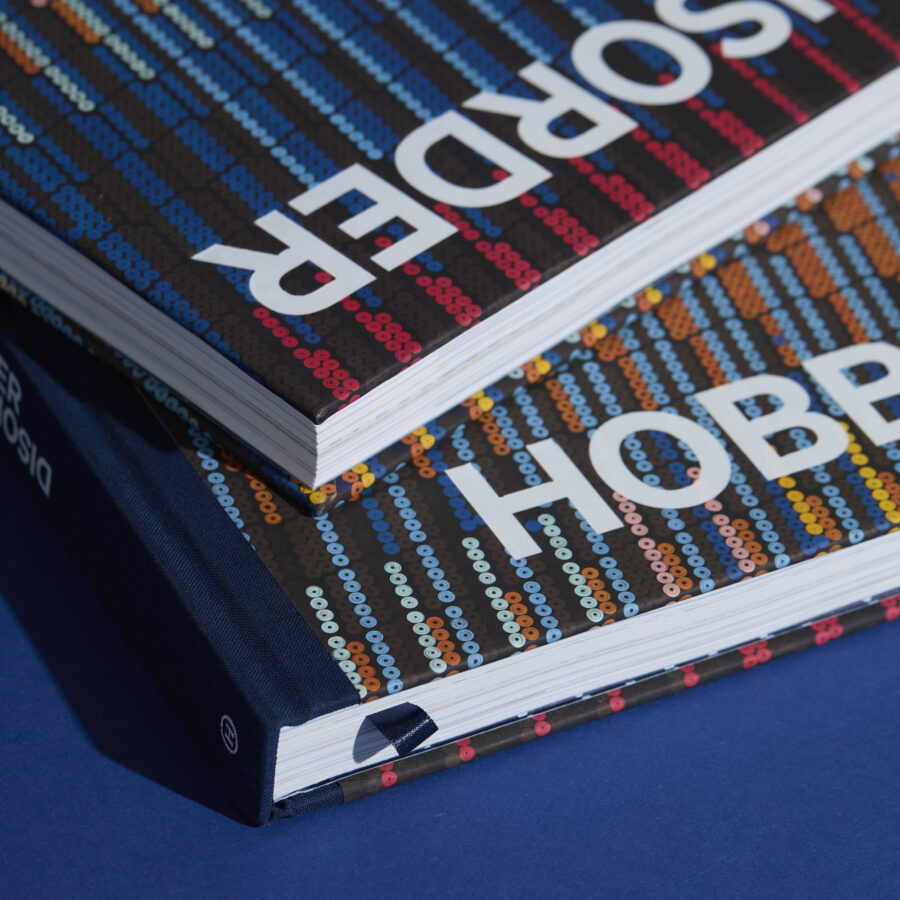
The Collector’s Edition, co-published with Unit London, was produced in a limited edition of 999 copies. Quarter-bound in high-quality linen and finished with a satin ribbon marker, each book includes a hand-editioned artist’s print, selected from four designs and housed in a specially constructed pocket at the back of the volume.
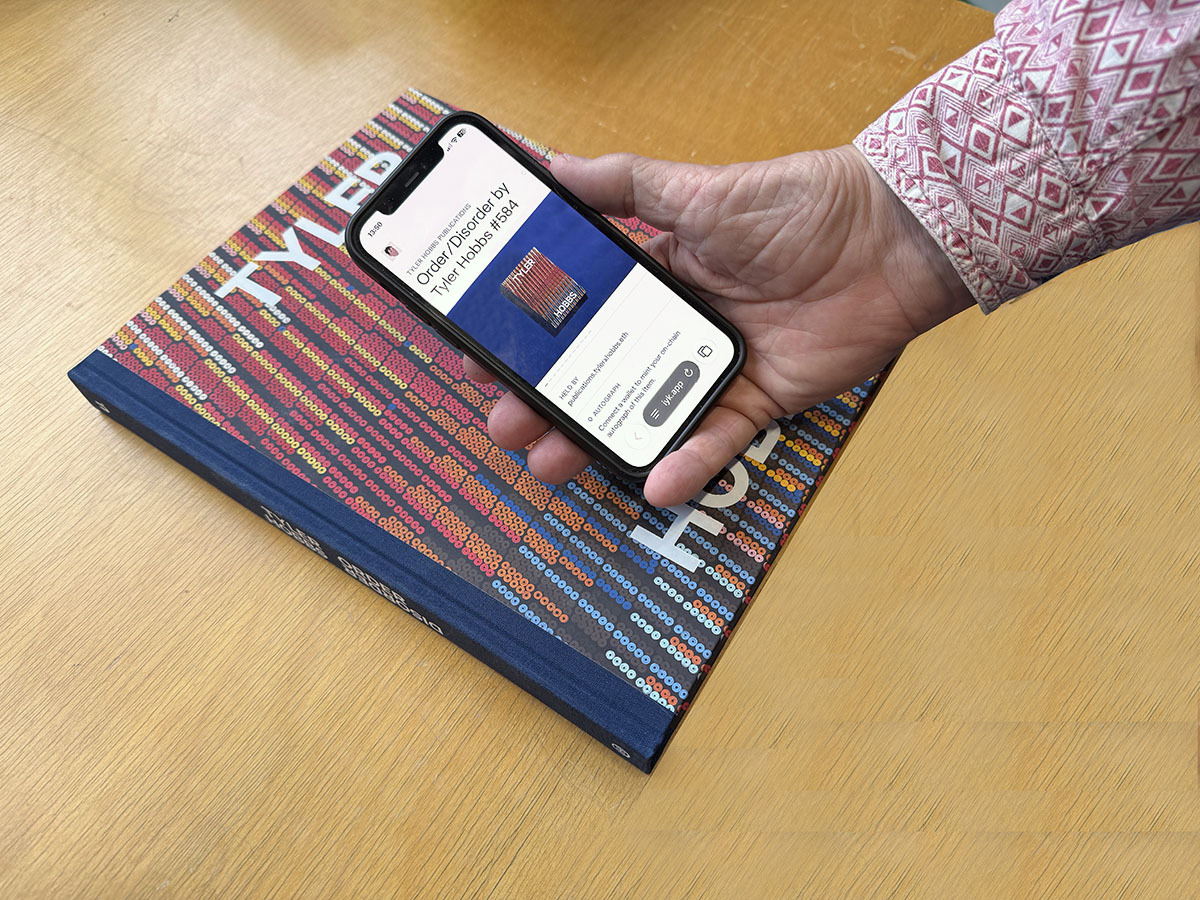
However, one of the most innovative aspects of this edition is something that cannot immediately be seen. Embedded within the cover of each Collector’s Edition is an NFC (Near Field Communication) chip, enabling its owner to claim a cryptographic autograph and a blockchain-registered digital certificate of authenticity.
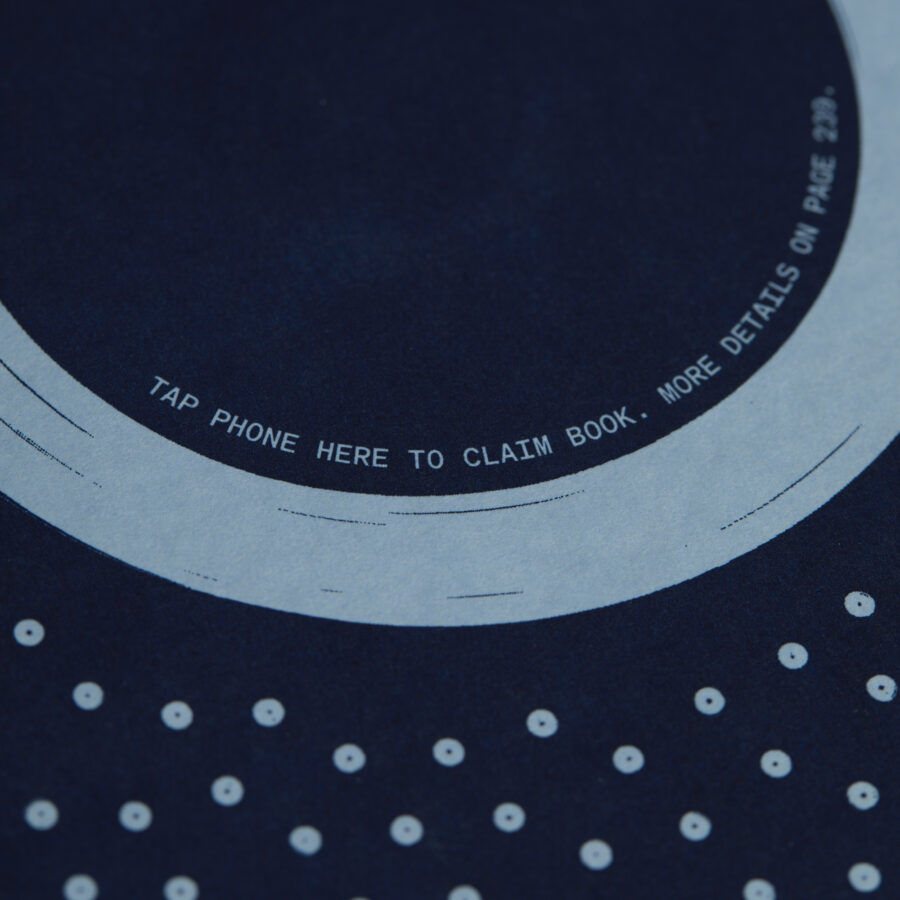
For Hurtwood, integrating this technology presented an exciting production challenge. Working closely with the artist’s studio and our specialist binding team, we developed a solution to incorporate the chip within the book’s cover while preserving the integrity, appearance and durability of the binding.
The bespoke pocket housing the artist’s print required equally careful consideration, ensuring that the additional element became an integral part of the book rather than simply an accessory.
These details demonstrate how traditional bookbinding skills can accommodate new technologies without compromising the qualities that make a beautifully produced book so appealing.
Perhaps one of the most interesting aspects of this technology is its potential beyond this particular publication. The traditional bookplate has long provided a way to identify ownership, connect a physical book with its owner, and, in some cases, document its provenance. Embedded digital technology offers an intriguing contemporary extension of this idea.
An NFC-enabled book can connect its physical form to a digital record, providing new possibilities for authentication and provenance. It can also offer access to additional digital material – from previously unseen artworks and artist interviews to moving images, audio and other exclusive content.
While these possibilities extend beyond the functionality developed for Order/Disorder, they raise interesting questions about the future of publishing. Could a physical book become a gateway to an evolving digital collection? Could special editions offer experiences that continue beyond the printed page?
Rather than replacing traditional bookmaking, these technologies offer opportunities to extend what a book can contain and how its owner can interact with it.
Order/Disorder demonstrates how traditional craftsmanship and emerging technologies can work together, bringing new possibilities to the design, production and experience of printed books.
For Hurtwood, the project was particularly rewarding because it challenged us to explore unfamiliar production techniques while drawing on the skills and expertise of our long-standing bookmaking collaborators.
As publishers, we remain passionate about the enduring value of beautifully made physical books. Projects such as Order/Disorder suggest that their future need not be defined by a choice between analogue and digital. Instead, the most exciting possibilities may lie in bringing the two together.

Order/Disorder was shortlisted in the Art/Architecture Monographs category at the 2025 British Book Design & Production Awards, recognising the quality and ambition of its design and production.
